
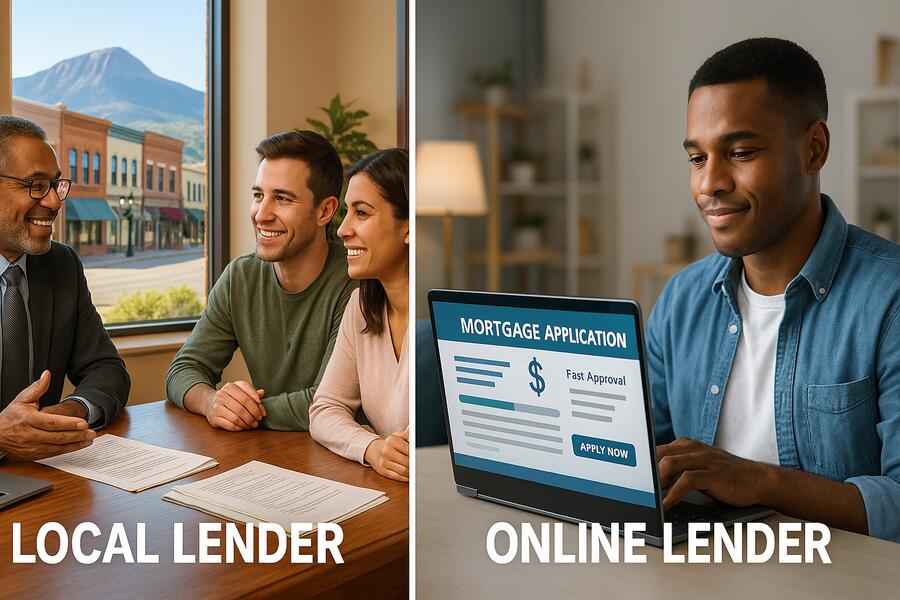
When it comes to securing a mortgage, homebuyers today face a significant choice: do they opt for the streamlined, often digital experience of an online lender, or do they prefer the personalized touch of a local institution? Understanding the nuances of “working with a local lender vs an online lender” is crucial for making an informed decision that aligns with your financial goals and personal preferences. Each option brings distinct advantages and potential drawbacks that can impact your entire homebuying journey.
The mortgage landscape has evolved, offering a wider range of choices than ever before. Online lenders leverage technology for speed and convenience, while local lenders emphasize community knowledge and tailored service. Your choice can influence everything from interest rates and closing costs to the level of support you receive throughout the application process. This guide explores the key differences, helping you weigh the pros and cons to determine which approach is best suited for your unique home financing needs. For those seeking personalized advice, a mortgage broker missoula mt can offer tailored solutions.
Advantages of Working with a Local Lender
Personalized Service and Local Expertise
Local lenders, whether they are community banks, credit unions, or independent mortgage brokers, often stand out for their deep connection to the areas they serve.
Tailored Customer Experience:
- Personalized Attention: Local lenders typically offer a more hands-on, personalized experience. You’re often working with a dedicated loan officer who takes the time to understand your unique financial situation and goals, rather than being just another number in a queue. This can be particularly beneficial for first-time homebuyers or those with complex financial profiles.
- Accessibility: Having a physical office nearby means you can meet your loan officer face-to-face, ask questions, and get immediate clarification. This accessibility can build trust and reduce stress during a significant financial transaction.
Local Market Knowledge:
- Regional Expertise: Local lenders possess extensive knowledge of the local housing market, including specific neighborhood trends, property values, and unique challenges that might arise (e.g., properties in rural areas or those with specific zoning requirements). This insight can be invaluable, especially when competing in a competitive market.
- Local Programs: They are often more familiar with and have access to local and state-specific mortgage assistance programs, grants, and incentives that online lenders might overlook or not offer.
- Relationships with Local Professionals: Local lenders often have established relationships with local real estate agents, appraisers, and title companies, which can lead to a smoother and more coordinated closing process.
💡 Key Takeaway: Local lenders offer a personalized, hands-on experience with accessible loan officers who understand your unique financial needs. Their deep local market knowledge, including specific property trends and access to regional assistance programs, can be invaluable. Established relationships with local real estate professionals often lead to a smoother closing process.
Advantages of Working with an Online Lender
Speed, Convenience, and Competitive Rates
Online lenders have rapidly grown in popularity due to their tech-driven approach, offering distinct benefits for a certain type of borrower.
Efficiency and Accessibility:
- Streamlined Application Process: Online lenders are known for their speed and convenience. Many offer fully digital application processes that can be completed quickly from anywhere, often resulting in faster initial approvals. This appeals to tech-savvy borrowers looking for a quick turnaround.
- 24/7 Access: You can often apply, submit documents, and track your loan status online at any time, day or night, fitting seamlessly into busy schedules.
Potential for Lower Costs:
- Reduced Overhead: Without the need for extensive physical branch networks, online lenders typically have lower operating costs. These savings can sometimes be passed on to customers in the form of lower interest rates or reduced fees. It’s not uncommon to find online platforms quoting slightly lower rates than traditional banks for certain profiles.
- Rate Shopping: Online platforms often provide tools to compare rates from dozens or even hundreds of lenders, allowing you to easily shop around for the most competitive offer.
| Factor | Online Lender Benefits | Local Lender Benefits |
|---|---|---|
| Personal Service | Limited, standardized process | High, personalized attention |
| Processing Speed | Faster initial approvals (7-14 days) | Slightly slower (21-45 days), but reliable |
| Local Market Knowledge | Limited to national trends | Extensive local market and program knowledge |
| Interest Rates & Fees | Potentially lower due to less overhead | Competitive, but may be slightly higher |
| Flexibility for Complex Cases | Less flexible, standardized underwriting | More adaptable, can find niche solutions |
💡 Key Takeaway: Online lenders excel in speed and convenience through streamlined digital applications, offering 24/7 access. Their lower overhead can translate to competitive interest rates and fees. They also provide robust tools for comparing rates from multiple lenders, ideal for self-directed borrowers.
Key Differences and Considerations
Making the Right Choice for Your Needs
The decision between a local and online lender often boils down to balancing priorities and understanding where each excels.
Flexibility for Unique Situations:
- Local Lender Strength: For borrowers with non-traditional income, unique property types (like rural properties or those requiring specific financing programs), or complex credit histories, a local lender often offers more flexibility. They can sometimes manually underwrite loans or leverage personal relationships to find solutions that a rigid online algorithm might reject.
- Online Lender Limitations: Online lenders typically rely on automated underwriting systems, which can be less accommodating for anything outside of standard loan profiles.
Closing Reliability:
- Local Lender Advantage: Due to their local network and deep understanding of regional closing procedures, local lenders can sometimes offer more reliable and smoother closings, which is especially important in time-sensitive transactions.
- Online Lender Challenges: While often fast to approve, the closing process with online lenders can sometimes be less predictable if they lack strong local ties.
Technology vs. Human Touch:
- Online: Best for borrowers comfortable with a digital-first experience, preferring efficiency and self-service.
- Local: Preferred by those who value direct communication, expert guidance, and a human connection throughout the process.
Have questions about working with a local lender vs an online lender? Reach out to our team today.
Frequently Asked Questions About Local vs. Online Lenders
Are online lenders always cheaper than local lenders?
Not necessarily. While online lenders often have lower overhead and can sometimes offer slightly lower interest rates or fees, this isn’t universally true. Local lenders can also be highly competitive, especially if they have strong relationships with multiple wholesale lenders. It’s always crucial to get personalized quotes from both types of lenders and compare the total costs, including origination fees, closing costs, and interest rates.
Can I get a mortgage faster with an online lender?
Online lenders are often praised for their speed in initial approvals and a streamlined digital application process. For straightforward loan applications, they can indeed offer quicker turnaround times. However, the overall closing timeline can still be influenced by factors like appraisals, underwriting complexity, and local title processing, which might not be significantly faster than with a well-organized local lender.
Which type of lender is better for first-time homebuyers?
For first-time homebuyers, local lenders are often recommended. The personalized guidance, face-to-face communication, and ability to explain complex terms and processes can be invaluable. Local lenders can also help navigate regional first-time buyer programs and connect you with local real estate professionals, making the potentially overwhelming process much smoother. While online lenders offer convenience, the human touch can be critical for new buyers.
What if my credit isn’t perfect? Should I use a local or online lender?
If your credit isn’t perfect or your financial situation is complex, a local lender or an independent mortgage broker might be a better choice. Automated underwriting systems used by many online lenders can be less forgiving of unique circumstances. A local loan officer has the ability to manually review your situation, understand the nuances of your financial history, and potentially find a niche loan product or work with you to improve your profile before application.
Conclusion
The choice between “working with a local lender vs an online lender” is a personal one, weighing the benefits of technology-driven efficiency against the value of personalized, localized expertise. Online lenders excel in speed and potentially lower rates, appealing to self-directed, tech-savvy borrowers. Conversely, local lenders offer invaluable market knowledge, hands-on support, and flexibility for complex scenarios, making them ideal for those who prioritize a human connection and tailored guidance throughout their homebuying journey. Ultimately, the best approach involves careful consideration of your individual needs, financial situation, and what kind of support will make your mortgage experience most successful.
