
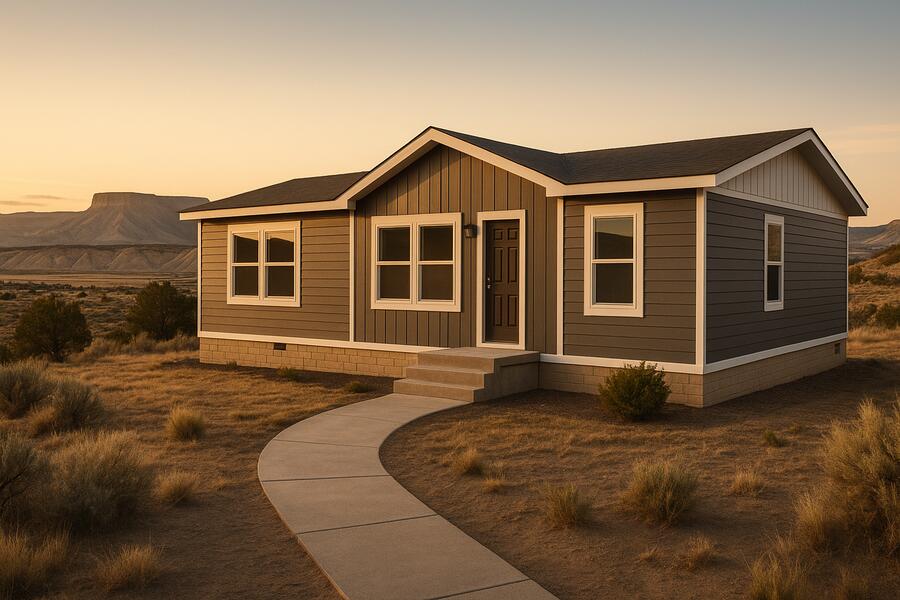
Manufactured homes offer an affordable and flexible pathway to homeownership, often providing a practical solution for those seeking cost-effective housing or homes in specific rural properties. However, financing a manufactured home can differ significantly from traditional site-built homes. Understanding “manufactured home loans: rates, terms, and what affects them” is crucial for any prospective buyer to navigate the lending landscape successfully. The type of loan available, the associated interest rates, and the typical loan terms are all influenced by a unique set of factors.
From the home’s classification (real property vs. personal property) to its age and foundation, each element plays a role in determining your financing options. Whether you’re considering a new or used manufactured home, having a clear grasp of these variables empowers you to secure the most favorable loan. Let’s delve into the specifics that shape manufactured home financing.
manufactured home loans missoula mt
Understanding Manufactured Home Loan Types
Real Property vs. Personal Property Financing
The type of loan you qualify for a “manufactured home” largely depends on whether the home is classified as real property or personal property, a distinction that significantly impacts available rates and terms.
1. Real Property Loans (Land & Home Combined):
- Conventional Loans: For manufactured homes permanently affixed to owned land, conventional mortgages are available. These often come with interest rates similar to site-built homes (e.g., mid-6% range in mid-2026 for a 30-year fixed). Minimum credit scores typically start around 620-680, with down payments from 3-5%.
- FHA Title II Loans: Designed for manufactured homes on permanent foundations and owned land, offering lower down payments (as low as 3.5% for credit scores 580+) and competitive fixed interest rates. These are similar to standard FHA loans for site-built homes.
- VA Loans: For eligible veterans with full entitlement, VA loans can finance manufactured homes on owned land with no down payment and competitive rates, similar to site-built VA loans.
- USDA Loans: For homes in eligible rural areas, USDA loans offer 100% financing for manufactured homes on owned land, subject to income limits.
- Advantages: Loans often come with longer terms (up to 30 years) and lower interest rates, as the home and land serve as combined collateral. This is generally the most favorable financing option.
2. Personal Property Loans (Chattel Loans):
- Definition: These loans are for manufactured homes not permanently affixed to owned land, treating the home as personal property, similar to a vehicle. This is common for homes in leased land communities or parks.
- Interest Rates: Chattel loans typically have significantly higher interest rates than real property loans. As of mid-2026, rates are often in the 8-11% range.
- Loan Terms: Shorter loan terms are common, usually 15-20 years, compared to the 30-year terms for real property loans.
- Down Payments: Often require a down payment of 5-10%.
- FHA Title I Loans: An FHA-insured option for manufactured homes as personal property, with competitive rates for chattel loans and typically a 5-10% down payment for scores of 580+.
- Disadvantages: Higher interest rates and shorter terms lead to higher monthly payments and a greater total cost over the life of the loan.
💡 Key Takeaway: Manufactured home financing largely depends on whether the home is classified as real property (affixed to owned land) or personal property (chattel). Real property loans (Conventional, FHA Title II, VA, USDA) offer longer terms (up to 30 years) and lower interest rates (mid-6%), while chattel loans have shorter terms (15-20 years) and significantly higher rates (8-11%).
Factors Affecting Manufactured Home Loan Rates and Terms
Key Determinants of Your Financing Outcome
Several critical factors influence the “rates and terms” you’ll receive for manufactured home loans. Understanding these can help you prepare and potentially secure a better deal.
1. Property Classification (Real vs. Personal Property):
- As noted, this is the most significant factor. Real property loans generally offer rates similar to site-built homes, while personal property (chattel) loans come with higher rates and shorter terms due to the perceived higher risk.
2. Credit Score:
- A higher credit score demonstrates financial reliability, leading to lower interest rates and more favorable loan terms. Most conventional loans for manufactured homes require a minimum score in the 620-680 range, while FHA loans can go as low as 580 for a 3.5% down payment.
3. Down Payment Amount:
- A larger down payment reduces the loan-to-value (LTV) ratio, which lessens the lender’s risk. This often results in lower interest rates and more flexible terms. While 0% down VA and USDA loans exist, for other programs, more down payment usually means better rates.
4. Loan Term:
- Longer loan terms (e.g., 30 years) typically have lower monthly payments but accumulate more interest over time. Shorter terms (e.g., 15 years) have higher monthly payments but save significant interest. The availability of longer terms is often tied to the home being real property. Some manufactured home cash-out refinance transactions now have maximum terms increased from 20 to 30 years.
5. Age and Condition of the Home:
- Newer manufactured homes, especially those meeting specific certifications (like Energy Star or MH Advantage), often qualify for better financing than older, used models. The home’s condition also impacts appraisal value and lender willingness.
6. Foundation Type:
- For real property loans, a permanent, FHA-approved foundation is typically required for the manufactured home to be considered real estate. This can be a significant cost, but it’s essential for long-term financing and property appreciation.
7. Market Interest Rates:
- Broader economic conditions and the Federal Reserve’s policies influence overall mortgage rates. Manufactured home loan rates, especially for real property, generally follow these trends. In early 2026, manufactured home loan rates were around 6.75% for real property.
💡 Key Takeaway: Key factors influencing manufactured home loan rates and terms include property classification (real vs. chattel), credit score, down payment size, loan term length, and the home’s age, condition, and foundation type. Global market interest rates also play a significant role.
Navigating the Application Process
Steps to Secure Your Manufactured Home Loan
Applying for “manufactured home loans” involves a structured process that, while similar to traditional mortgages, has its unique considerations.
1. Get Pre-Approved:
- Start by getting pre-approved with a lender experienced in manufactured home financing. This helps you understand your budget and shows sellers you’re a serious buyer.
2. Gather Documentation:
- Be prepared to provide extensive financial documentation, including proof of income, asset statements, and credit history. For manufactured homes, you’ll also need documentation related to the home’s specifications, serial number, and foundation plan.
3. Property Appraisal and Inspection:
- An appraisal will determine the home’s value. For real property loans, this will include the land. A professional inspection is also highly recommended to assess the home’s condition and ensure it meets safety and structural standards.
4. Permanent Foundation Certification:
- If seeking real property financing, a certification from an engineer confirming the home is permanently affixed to the land and meets FHA/VA requirements will be necessary.
5. Underwriting and Closing:
- The lender’s underwriter will review all documentation to ensure compliance with loan program guidelines. Upon approval, you’ll proceed to closing, where all loan documents are signed, and funds are disbursed.
| Loan Type | Typical Interest Rate (Mid-2026) | Typical Term Length | Land Ownership Required? |
|---|---|---|---|
| Conventional (Real Property) | 6.25% – 6.75% | Up to 30 years | Yes |
| FHA Title II (Real Property) | Similar to site-built FHA rates | Up to 30 years | Yes |
| VA (Real Property) | Similar to site-built VA rates | Up to 30 years | Yes |
| Chattel / FHA Title I (Personal Property) | 8% – 11% | 15-20 years (FHA Title I up to 20 years) | No (but may require lease) |
Have questions about manufactured home loans rates terms and what affects them? Reach out to our team today.
Frequently Asked Questions About Manufactured Home Loans
What is the difference between a manufactured home and a mobile home?
While often used interchangeably, “mobile home” generally refers to homes built before June 15, 1976, when the federal HUD Manufactured Home Construction and Safety Standards were established. “Manufactured home” refers to homes built after this date, adhering to these national quality standards. Functionally, modern manufactured homes are built to higher standards and often look indistinguishable from modular or site-built homes.
Do I need to own the land to get a manufactured home loan?
No, you do not always need to own the land. If you own the land and the home is permanently affixed, you can pursue real property financing (conventional, FHA Title II, VA, USDA) which offers more favorable rates and terms. If you lease the land (e.g., in a manufactured home community), you’ll typically need a personal property loan, or chattel loan, which has higher interest rates and shorter terms.
Are manufactured home interest rates always higher than site-built home rates?
Not necessarily. For manufactured homes that are permanently affixed to owned land and qualify as real property, interest rates can be very comparable to those for site-built homes, especially for conventional, FHA Title II, and VA loans. However, for homes financed as personal property (chattel loans), the interest rates are almost always significantly higher due to the perceived increased risk for the lender.
What kind of down payment is required for manufactured home loans?
Down payment requirements vary by loan type:
- VA Loans: 0% down payment for eligible veterans with full entitlement.
- USDA Loans: 0% down payment for eligible borrowers in rural areas.
- FHA Title II Loans: As low as 3.5% down payment.
- Conventional Loans: Typically 3-5% down payment.
- Chattel / FHA Title I Loans: Generally 5-10% down payment.
A larger down payment can often lead to more favorable interest rates.
Conclusion
Understanding “manufactured home loans: rates, terms, and what affects them” is fundamental for anyone considering this accessible path to homeownership. The critical distinction between real property and personal property financing dictates much of the lending landscape, with real property loans offering terms and rates often comparable to traditional mortgages. Factors like your credit score, down payment, the home’s age and foundation, and overall market conditions all play a vital role. By being well-informed and working with a knowledgeable lender, Montana homebuyers can confidently navigate the process, ensuring they secure the most suitable financing for their manufactured home, transforming an affordable option into a stable, long-term investment.
