
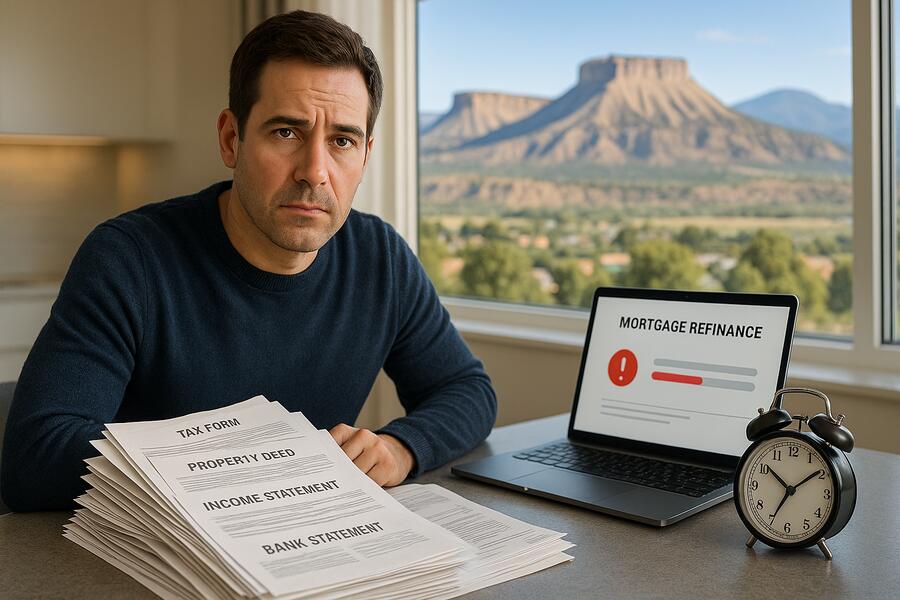
Refinancing your mortgage can be a smart financial move, potentially lowering your interest rate, reducing your monthly payments, or allowing you to tap into your home equity. However, the process isn’t always as quick or straightforward as homeowners might hope. Understanding the common “mistakes that delay mortgage refinance approval” is crucial for a smooth and efficient experience. These pitfalls, often overlooked, can add weeks or even months to your timeline, or in some cases, lead to outright denial.
From incomplete documentation to significant financial changes during the application process, proactive awareness and preparation are your best defense against refinance roadblocks. While the average refinance can take anywhere from 25 to 60 days, depending on the loan type and market conditions, avoiding these common errors can help keep you on the faster end of that spectrum. For those considering a mortgage loan refinance missoula mt, knowing these potential issues upfront can save considerable stress and time.
Incomplete or Inconsistent Documentation
Missing or Outdated Paperwork
One of the most frequent causes of delays stems from applicants providing incomplete, outdated, or inconsistent documentation. Lenders require a comprehensive view of your financial health, and any missing piece of the puzzle means your application gets paused.
- Income Verification: You’ll need recent pay stubs (typically 30 days), W-2 forms (last two years), and federal tax returns (last two years). Self-employed individuals will require more extensive business financials.
- Asset Verification: Complete bank statements (last two months), investment account statements, and any other proof of funds are necessary. Screenshots or partial statements are often rejected and lead to delays.
- Property Information: Provide clear and accurate details about your current home, including your existing mortgage statements, homeowners insurance policy, and property tax statements.
Unexplained Financial Activities
Lenders scrutinize your bank statements and financial history. Large, unexplained deposits or withdrawals can raise red flags and require detailed explanations, causing delays.
- Large Deposits: If you’ve received a significant sum of money (e.g., a gift, bonus, or tax refund) that isn’t clearly explained on your bank statements, be prepared to provide a detailed paper trail (e.g., a gift letter, check stub, or sales contract).
- Inconsistent Information: Discrepancies between your application details and the provided documents will lead to inquiries and potentially require re-submission, extending the timeline significantly.
💡 Key Takeaway: The most common refinance delay is incomplete or inconsistent documentation. Ensure all income, asset, and property paperwork is current and comprehensive. Be prepared to explain any large, unusual financial transactions to avoid underwriting pauses.
Credit and Debt Management Issues
Opening New Credit Accounts or Incurring New Debt
During the refinance process, it’s critical to maintain a stable financial profile. Opening new credit cards, taking out personal loans, or making large purchases on credit can negatively impact your debt-to-income ratio (DTI) and credit score, potentially jeopardizing your approval.
- Impact on DTI: New debt increases your monthly obligations, which can push your DTI above the lender’s acceptable limits.
- Credit Score Fluctuations: New credit inquiries or increased credit utilization can cause your credit score to drop, even slightly, but enough to change your loan eligibility or interest rate.
- Underwriter Scrutiny: Any significant changes to your credit report after your initial application will be flagged by underwriters, requiring further review and explanation.
Credit Report Discrepancies
Even if you have good credit, errors on your credit report can cause delays. Review your credit report before applying for a refinance to catch and dispute any inaccuracies.
- Incorrect Personal Information: Simple errors in name, address, or employment history can create confusion.
- Fraudulent Accounts: Identity theft can lead to accounts you don’t recognize appearing on your report, which must be addressed.
- Outdated Information: Ensure old debts or accounts are accurately reported as closed or paid off.
💡 Key Takeaway: Avoid opening new credit accounts or incurring significant debt during the refinance process, as this can negatively impact your DTI and credit score, causing delays or even denial. Proactively review your credit report for discrepancies and resolve them before applying to ensure a smooth process.
Appraisal and Property Issues
Low Appraisal Value
One of the biggest potential roadblocks in a refinance is a property appraisal that comes in lower than expected, or lower than the amount you need to borrow.
- Impact on Loan-to-Value (LTV): A low appraisal directly affects your loan-to-value ratio. If the appraised value is too low, you might not meet the lender’s LTV requirements, potentially requiring you to bring more cash to closing or to restructure the loan.
- Delay in Process: Appraisals can be the biggest delay in busy markets, and a low appraisal can trigger a need for a second appraisal or further negotiation, adding weeks to your timeline.
- Market Conditions: Property values can fluctuate. Even if your home was appraised higher a few years ago, current market conditions will dictate the refinance appraisal.
Property Condition Issues
While often less stringent than purchase appraisals, refinance appraisals can still highlight property condition issues that might need to be addressed before loan approval.
- Safety Hazards: Appraisers look for health and safety concerns. Deferred maintenance or structural issues might need to be rectified.
- Incomplete Renovations: If you have active renovation projects, the appraiser might need to assess the property “as-is” or “as-completed,” which requires clear documentation of the scope of work.
| Category of Mistake | Specific Issue | Impact on Refinance |
|---|---|---|
| Documentation | Missing or outdated income/asset statements | Underwriting delays, repeated requests, potential denial |
| Unexplained large deposits | Requires detailed explanation, fraud scrutiny, delays | |
| Credit/Debt | Opening new credit accounts or incurring new debt | Increased DTI, lower credit score, potential denial |
| Credit report errors | Requires dispute and correction, significant delays | |
| Appraisal/Property | Low appraisal value | Higher LTV, need for more cash down, loan restructuring, or denial |
| Property condition issues (e.g., safety hazards) | Requires repairs before approval, additional inspections |
💡 Key Takeaway: Appraisal issues are a major cause of refinance delays. A low appraisal value can severely impact your LTV, potentially requiring more cash down or loan restructuring. Additionally, property condition issues, especially health and safety concerns or incomplete renovations, must be addressed to satisfy lender requirements.
Communication and Responsiveness
Slow Response to Lender Inquiries
The refinance process involves a lot of back-and-forth communication between you and your loan officer or underwriter. Delays often occur when applicants are slow to respond to requests for additional information or clarification.
- Maintaining Momentum: The quicker you provide requested documents or answers, the faster your application can move through underwriting.
- Proactive Communication: If you anticipate a delay in providing a document, communicate this immediately with your loan officer to manage expectations.
Ignoring Loan Officer Advice
Your loan officer is an expert in the refinance process. Ignoring their advice or failing to follow their instructions can lead to unnecessary complications.
- Credit Behavior: If advised not to make any major financial changes, adhere to that advice.
- Document Submission: Submit documents in the requested format (e.g., full PDF statements, not screenshots).
💡 Key Takeaway: Effective communication and responsiveness are vital for a smooth refinance. Slow responses to lender inquiries, or not promptly providing requested documentation, are common mistakes that cause significant delays. Always follow your loan officer’s advice and communicate proactively to maintain momentum.
Have questions about mistakes that delay mortgage refinance approval? Reach out to our team today.
Frequently Asked Questions About Mortgage Refinance Delays
How long does a mortgage refinance typically take?
A mortgage refinance typically takes between 25 to 60 days from application to closing. Streamlined refinance programs (like FHA Streamline or VA IRRRL) might close faster, sometimes in 15-30 days, especially if an appraisal is waived. However, a conventional refinance with an appraisal usually requires at least 45 days.
Can I refinance immediately after buying a home?
While some loan types allow for immediate refinancing, many mortgages, particularly conventional ones, require a waiting period of 6 to 12 months after your original loan closes. This period allows time to build some equity and for your credit profile to stabilize. Always check with your lender for specific seasoning requirements for your loan type.
What should I NOT do during the refinance process?
During the refinance process, you should avoid making any significant financial changes. This includes: opening new credit accounts, taking out new loans, making large purchases on credit, changing jobs, making large, unexplained deposits into your bank account, or co-signing on a loan for someone else. Any of these actions can alter your financial profile and potentially jeopardize your approval.
Why is my refinance taking so long?
Common reasons for refinance delays include: incomplete or inconsistent documentation from the borrower, slow responsiveness to lender requests, a low appraisal value, unexpected property condition issues, or changes to your credit profile (e.g., new debt). Appraisals, especially in busy markets, are frequently cited as the biggest source of delay.
Conclusion
Navigating a mortgage refinance requires diligence and attention to detail. By actively avoiding common mistakes that delay mortgage refinance approval – such as submitting incomplete documentation, making significant financial changes, or encountering appraisal challenges – you can significantly streamline the process. Proactive communication with your lender and a thorough understanding of the requirements are your most powerful tools. A smooth refinance not only saves you time and stress but ultimately helps you achieve your financial goals with your home.
