
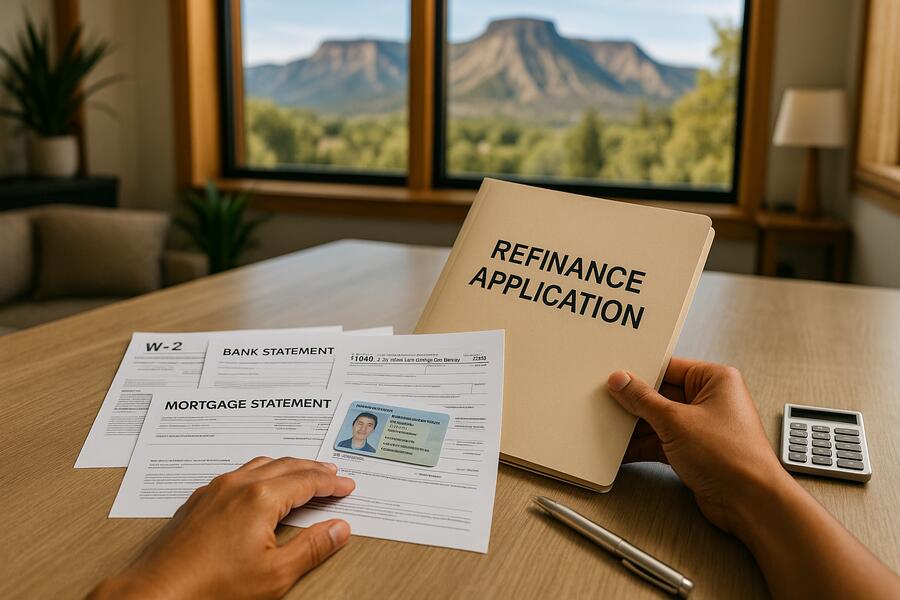
Refinancing your mortgage can be a smart financial move, whether you’re looking to secure a lower interest rate, reduce your monthly payments, or tap into your home equity with a cash-out refinance. The process, however, requires a thorough review of your financial history. Knowing precisely what documents you need for mortgage refinance before you begin can streamline the entire application process, saving you time and preventing unnecessary delays. Lenders need a comprehensive picture of your financial stability and capacity to repay the new loan, which means gathering an array of personal, income, asset, and property-related paperwork.
Approaching the refinancing journey with your documents organized and ready will not only make the experience smoother but also demonstrate your preparedness to your lender. This preparedness can be especially valuable when navigating the market for a mortgage refinance missoula mt, where efficiency and clear communication can make a real difference. Let’s break down the essential categories of documents you’ll need to gather.
Understanding the Essential Document Categories
1. Identification and Personal Information
To start, lenders will require proof of your identity and residency to prevent fraud and verify your personal details.
- Government-Issued Photo ID: A valid driver’s license, state ID, or passport for all borrowers.
- Social Security Card: Lenders will need your Social Security number to run credit checks and verify income.
- Proof of Residency: Usually confirmed by the address on your ID. If your ID address is not current, utility bills or other official mail can serve as supplementary proof.
- Authorization for Credit Report: You’ll sign a form allowing the lender to pull your credit report, which will detail your credit history and scores.
💡 Key Takeaway: Begin by collecting valid government-issued photo IDs and Social Security cards for all applicants. Your lender will need these to confirm identity, residency, and to perform a credit check. Ensure any proof of residency matches current records to avoid delays.
2. Income and Employment Verification
Lenders need to confirm you have a stable and sufficient income to repay the new mortgage. This often requires documenting at least two years of employment history.
For Salaried/Wage Earners:
- Most Recent Pay Stubs: Typically, the two most recent pay stubs covering at least 30 consecutive days.
- W-2 Forms: From the past two years.
- Federal Tax Returns: All pages and schedules from the past two years.
For Self-Employed Individuals:
- Personal and Business Tax Returns: For the past two years.
- Year-to-Date Profit and Loss (P&L) Statement: Some lenders may also require a year-to-date balance sheet.
- Business Bank Statements: Often for the past 60 days to 6 months.
Other Income Sources:
- Proof of Other Income: Documentation for any additional income, such as pension statements, Social Security award letters, disability income, or rental income from investment properties.
💡 Key Takeaway: Be prepared to provide extensive income and employment documentation, including your last two pay stubs, W-2s, and federal tax returns for the past two years. Self-employed individuals will need personal and business tax returns, along with year-to-date P&L statements, to verify stable income.
3. Asset Documentation
Lenders want to see that you have sufficient assets to cover potential closing costs and have adequate reserves after the refinance. This helps demonstrate financial stability.
- Bank Statements: The most recent two months’ statements for all checking and savings accounts. Ensure all pages are included, even blank ones.
- Investment Account Statements: Statements from brokerage accounts, mutual funds, or other investment vehicles for the past two months.
- Retirement Account Statements: Statements for IRAs, 401(k)s, or other retirement funds for the past two months.
- Explanation for Large Deposits: If you have any unusually large deposits (that are not regular payroll) in your bank statements, be prepared to explain their source and provide documentation.
4. Property and Existing Mortgage Information
Since you are refinancing an existing loan on your property, the lender will need comprehensive details about the home and its current mortgage.
- Recent Mortgage Statement: Your most current statement from your existing mortgage lender.
- Homeowner’s Insurance Declarations Page: Proof of your current homeowner’s insurance policy and coverage details.
- Property Tax Statements: Documentation of your most recent property tax assessments and payments.
- Deed and Title Policy: The original deed to your home and your current title insurance policy may be requested.
- HOA Statements (if applicable): If your property is part of a Homeowners Association, you’ll need recent statements showing your dues.
| Document Category | Specific Documents Required | Purpose |
|---|---|---|
| Personal Identification | Photo ID, Social Security Card, Proof of Residency | Verify identity, run credit, confirm address |
| Income & Employment | Pay Stubs (30 days), W-2s (2 years), Tax Returns (2 years), P&L (self-employed) | Confirm stable and sufficient income |
| Assets & Reserves | Bank Statements (2 months), Investment/Retirement Statements (2 months) | Demonstrate financial stability & available funds |
| Property & Current Mortgage | Mortgage Statement, Homeowner’s Insurance, Property Tax Bills, Deed | Verify property ownership, insurance, and existing loan details |
💡 Key Takeaway: Compile statements for all checking, savings, investment, and retirement accounts for the past two months to verify your assets. Also, gather your latest mortgage statement, homeowner’s insurance declarations page, and property tax bills to provide a full picture of your current home and loan status.
Have questions about the documents you need for mortgage refinance? Reach out to our team today.
Frequently Asked Questions About Mortgage Refinance Documents
Why do lenders need so many documents for a refinance?
Lenders require numerous documents to thoroughly assess your financial health, capacity to repay the new loan, and the value of the collateral (your home). This extensive verification process helps them comply with regulations, mitigate risk, and ensure the loan is a sound investment for both parties. It paints a complete picture of your financial stability.
What if I’m self-employed? What specific documents will I need?
If you’re self-employed, lenders will typically require two years of both personal and business federal tax returns (including all schedules). They will also usually ask for a year-to-date profit and loss (P&L) statement, and sometimes a balance sheet, to demonstrate consistent income. Business bank statements for several months may also be requested.
Do I need to provide documents for all my bank accounts, even those with small balances?
Yes, it’s generally best practice to provide statements for all your bank accounts, including checking, savings, and even those with minimal balances. Lenders need a complete financial snapshot. If you don’t provide all pages or all accounts, it can raise red flags and cause delays, as they will often notice discrepancies or omissions.
How old can my pay stubs and bank statements be?
Typically, lenders will request your most recent pay stubs, often covering the last 30 consecutive days. For bank and asset statements, they usually ask for the two most recent monthly statements (covering the last 60 days). It’s crucial to provide the very latest documents available to ensure they reflect your current financial situation.
Conclusion
Successfully navigating a mortgage refinance begins with meticulous preparation, and that largely involves gathering the correct documents you need for mortgage refinance. By systematically organizing your identification, income, asset, and property-related paperwork, you equip your lender with the necessary information to process your application efficiently. This proactive approach not only speeds up the approval process but also demonstrates your financial readiness, potentially leading to a more favorable refinancing outcome. Taking the time to compile these essential documents upfront is an investment in a smoother, less stressful path to achieving your financial goals through refinancing your home.
